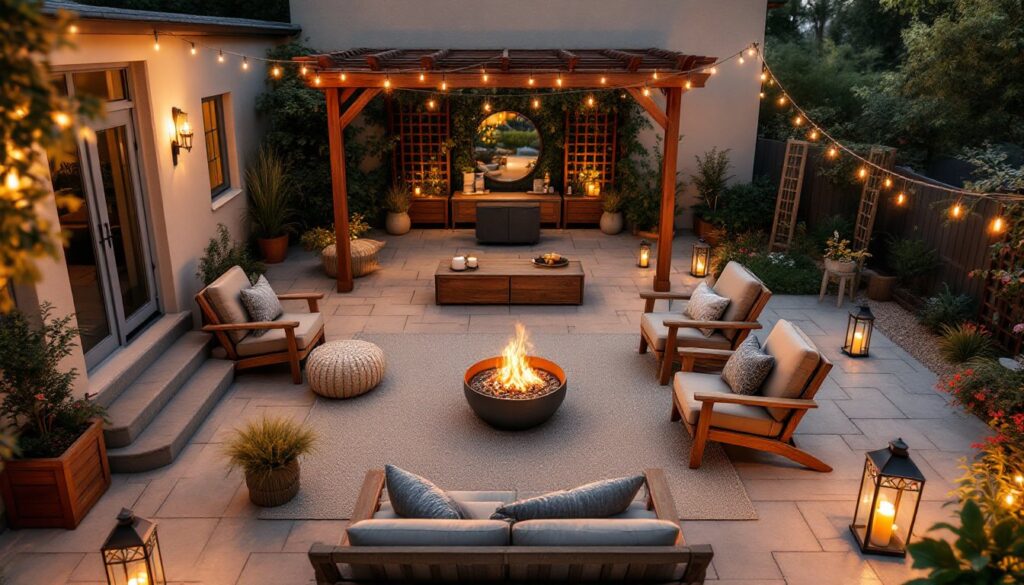
Creating a cozy patio isn’t about expensive renovations, it’s about intentional choices that make your outdoor space feel like an extension of home. Whether you’re working with a small balcony or a sprawling yard, cozy patio ideas can turn bare concrete or neglected corners into gathering spots where you’ll actually want to spend time. The best part? Most of these projects are DIY-friendly and work within realistic budgets. This guide covers seven practical approaches to layer comfort, light, and personality into your outdoor living area.
Table of Contents
ToggleKey Takeaways
- Transform your patio with cozy patio ideas using affordable, DIY-friendly elements like string lights, comfortable seating, and layered textures that don’t require expensive renovations.
- Warm white ambient lighting (2700K color temperature) with string lights, lanterns, and path lights extends your outdoor space usability into the evening and sets a welcoming mood.
- Invest in quality outdoor-grade cushions (5-inch depth minimum), arrange seating to face each other for conversation, and add layered textures like throw pillows and blankets to create genuine coziness.
- A fire pit or fire feature serves as an instant gathering point and practical warmth for cooler months, with portable options available for $100–300 requiring minimal installation.
- Layer your design with raised planters, container gardens, and vertical greenery to soften hard edges and make spaces feel alive without demanding constant maintenance.
- Define seating zones with appropriately sized outdoor rugs (5×8 feet for modest patios), add weather protection through pergolas or shade structures, and finish with intentional decor details rather than clutter.
Create Ambient Lighting for Evening Enjoyment
Lighting transforms how your patio feels when the sun drops. String lights, lanterns, and path lights do more than illuminate, they set mood and extend usable hours into the evening.
String lights (also called bistro or cafe lights) are the easiest install. Run them overhead from one corner to another, draping them 8 to 10 feet above seating areas. Use weatherproof bulbs rated for outdoor use: warm white (2700K color temperature) feels more welcoming than cool white. If you don’t want permanent wiring, solar-powered string lights skip the electrician visit, though they’re dimmer and require clear skies to charge. For a polished look, aim for gentle sag in the line, not a tight rope, about 2 to 3 inches of sag per 10 feet is standard.
Lanterns and tabletop lights add flexibility. Battery-operated candles avoid fire risk and let you move them around seasonally. LED versions last 100+ hours on a set of batteries and cost far less than relighting real candles weekly.
Path lighting defines walkways and creates a layered effect. Solar stake lights work fine for casual setups: for permanent fixtures, low-voltage LED systems (12V) are safer than standard 120V outdoor lights and simple enough for a confident DIYer to install along garden beds or steps. Always check local electrical codes before running any hardwired outdoor lighting, some municipalities require a licensed electrician for anything beyond simple outlet-powered options.
Add Comfortable Seating and Layered Textures
A cozy patio lives or dies by seating. Uncomfortable chairs drive people away faster than bad weather.
Start with a sturdy foundation. Outdoor furniture needs cushions, specifically outdoor-grade fabrics (Sunbrella or equivalent polyester blends that resist mildew and UV damage). Don’t skimp on foam density: aim for 5-inch cushion depth minimum for lounge chairs. If your budget is tight, buy one good lounge chair or sofa first, then add side chairs or ottomans later as funds allow.
Layered textures create the “cozy” feel that separates a patio from a basketball court. Add throw pillows in varying sizes (18-inch and 24-inch), textured outdoor blankets draped over chair arms or benches, and consider a chunky-knit pouf for footrests or side tables. These soft elements absorb sound, soften hard furniture lines, and invite lounging.
Furniture arrangement matters more than most people think. Avoid lining chairs against the perimeter like a waiting room. Instead, angle seating to face each other or cluster around a fire feature or low table. This naturally encourages conversation and makes the space feel intentional rather than sparse.
For durability, store cushions in a waterproof storage bench during off-season months, and hose down frames annually to prevent mildew and salt buildup if you’re coastal.
Design a Focal Point With a Fire Feature
A fire pit or outdoor fireplace becomes an instant gathering magnet. It’s warmth, ambiance, and a reason to stay outside longer, practical for cooler months when patios otherwise feel abandoned.
Portable fire pits are the simplest start. A steel bowl-style pit (2–3 feet diameter) costs $100–300, sits directly on concrete or pavers, and requires no installation. Stack firewood nearby in a weather-resistant rack, keep a fire extinguisher on hand, and maintain 10 feet of clearance from structures and overhanging branches. Check local fire codes, many municipalities restrict backyard fires, so confirm what’s allowed in your area before buying.
Built-in options like a wood-burning fire table or fireplace require more commitment but anchor a space beautifully. A fire table (a low, wide platform with a burner inside) provides both flame and a functional surface for drinks and food. Installation varies: some are gas-powered and need a propane line run underground (hire a professional), while others burn wood or gel fuel and are far simpler for DIY setups.
Gas fire bowls (standalone metal vessels with a propane burner) hit the middle ground. They’re portable but look built-in, don’t scatter ash, and light at a button push. A 20-pound propane tank lasts 8–10 hours of continuous burn.
Whatever you choose, clear vegetation, use fire-rated materials around the pit (pavers, steel rings, or rated gravel), and never leave a fire unattended. A cozy patio with a fire feature is inviting: one with a house fire nearby is a disaster.
Incorporate Greenery and Natural Elements
Plants soften hard edges and make outdoor spaces feel alive rather than constructed. They don’t require a garden degree, just intentional placement.
Raised planters are easier to manage than in-ground beds and add instant visual interest. Use cedar or composite lumber (composite lasts longer without rot): standard dimensions are 2 feet wide by 4 feet long by 12 inches deep. Line the bottom with hardware cloth to block burrowing pests, add landscape fabric, then fill with quality potting soil mixed with compost. Plant perennials suited to your zone (ornamental grasses, coneflowers, black-eyed Susans) that don’t demand constant attention.
Vertical greenery maximizes small spaces. A living wall using modular planter panels or a simple trellis with climbing plants (clematis, ivy) draws the eye upward and creates privacy. Trellises are DIY-friendly: use 1×2 lumber or pre-made panels, attach them to fence posts or walls with lag bolts, then let vines do the work.
Container plantings add flexibility. A group of 3–5 pots of varying heights, filled with complementary plants and placed near seating, feels curated without demanding permanent root systems. Use containers with drainage holes and rotate seasonal plantings (spring bulbs, summer annuals, fall grasses).
For inspiration on transforming barren spaces, courtyard gardens show how greenery transforms intimate outdoor spaces even in small urban settings. The key is consistent watering during the first growing season while roots establish: after that, most perennials handle drought reasonably well.
Define Your Space With Rugs and Outdoor Decor
Rugs anchor a patio and define seating zones. An outdoor rug (polypropylene or solution-dyed acrylic) under a seating cluster visually ties furniture together and softens hard flooring underfoot.
Sizing is crucial. A 5×8-foot rug works for most modest patios: larger spaces benefit from 8×10 or even 9×12. The rug should extend at least 2 feet beyond seating in all directions, too small and the space feels chopped up: too large and it overwhelms. Anchor it with heavy furniture legs on top to keep it from shifting.
Color and pattern matter. Neutral grounds (grays, sand, warm whites) hide dirt and suit any furniture style. Subtle patterns or a low-pile geometric design add visual interest without looking busy. Avoid light colors if you have heavy foot traffic: they show every footprint.
Decor details complete the vibe without clutter. A small side table for drinks, a weather-resistant mirror hung on a fence to reflect light, vintage lanterns grouped on steps, these touches signal that someone cares, that the space is intentional. But resist the urge to overcrowd. One or two statement pieces beat a shelf of knickknacks.
Maintenance is straightforward: rinse with a hose annually, sweep regularly, and vacuum if you have a portable unit. Most outdoor rugs last 3–5 years before fading noticeably. Spot-clean spills with mild soap and water while they’re fresh.
Extend Your Patio Season With Weather Protection
Cold and rain shut down patios fast. Weather protection lets you use the space longer and more comfortably.
Shade structures are the starting point. A simple patio umbrella (7–9 feet diameter) blocks 80–90% of direct sun and costs $40–150. For permanent shade, a pergola (open lattice roof) is a moderate DIY project using 4×4 posts set in concrete footings, 2×10 beams, and 2×4 or 2×6 cross-slats. It creates dappled shade, allows breezes, and looks intentional, not a full roof, but better than nothing. Plan for 8–10 feet of vertical clearance and space posts 8–12 feet apart for stability. A retractable shade sail (canvas stretched between posts) offers more shade control and a modern aesthetic: installation requires sturdy anchor points but is still DIY-doable.
Rain protection moves into bigger investment territory. A retractable awning (motorized or manual) retracts when not needed and blocks rain completely. These run $500–2000+ and typically need a professional install. For budget-conscious setups, clear polycarbonate panels on a simple frame create a semi-permanent shelter: light still penetrates (better for plants below), but you stay dry. Ensure water drains away from seating.
Windbreaks matter in gusty areas. A privacy screen made of composite or vinyl slats (available in panels you screw to a frame) blocks wind and sight lines. Alternatively, fast-growing shrubs or bamboo planted around the perimeter create natural wind barriers over one season.
Remember that any roofed structure (pergola with solid panels, full awning, enclosed structure) may require a building permit, especially in areas with snow load regulations or wind zone requirements. Check local codes and get permits if required, inspectors want to ensure structures are safe and won’t collapse under storm conditions. Western home design resources.
Conclusion
A cozy patio doesn’t require a contractor’s budget or a designer’s eye. Start with one or two elements that resonate, maybe ambient lighting and comfortable seating, or a fire pit and greenery. Build from there seasonally. Focus on quality materials that last, thoughtful arrangement over volume, and texture that invites lounging. Before long, you’ll find yourself lingering outside long after sunset, and your patio will have earned its place as a real room in your home.