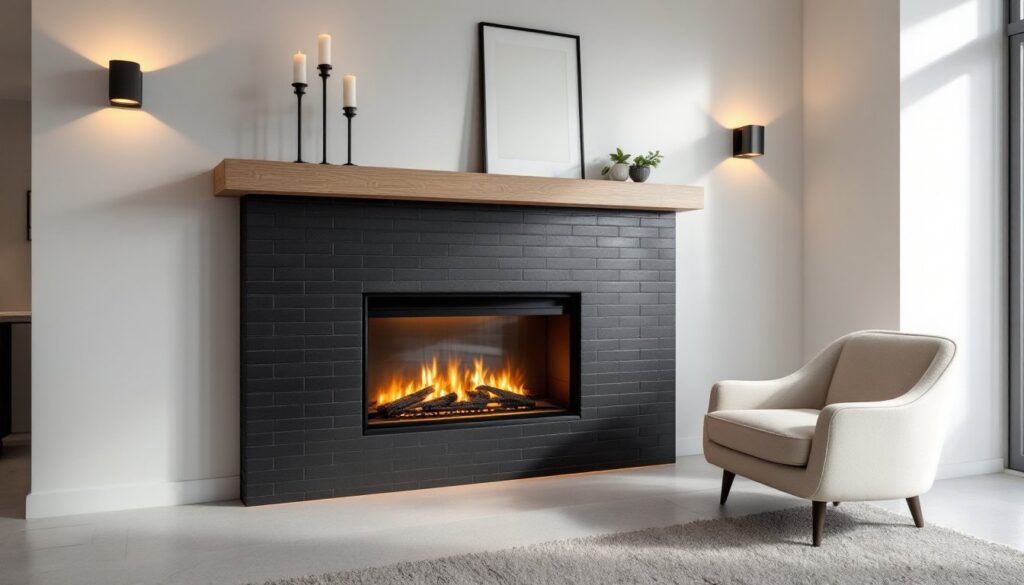
A black fireplace commands attention in any room. Whether you’re drawn to sleek modern lines or cozy rustic charm, this bold choice offers versatility that works harder than you’d expect. Black isn’t just for dramatic contemporary spaces, it bridges cottage kitchens, farmhouse living rooms, and minimalist apartments with equal sophistication. Homeowners are increasingly choosing black fireplaces not as a trend, but as a foundational design anchor that grounds interiors and makes other colors pop. If you’re considering a black fireplace for a renovation or new build, here’s what you need to know about styles, materials, and how to make it work in your space.
Table of Contents
ToggleKey Takeaways
- Black fireplace designs work across modern, rustic, and traditional styles, anchoring interiors while making neighboring colors feel more intentional and sophisticated.
- Black surfaces hide soot, ash, and maintenance issues better than lighter finishes, reducing upkeep on wood-burning or gas fireplaces.
- Material options for black fireplaces range from budget-friendly black paint ($50–$80) to premium slate and stone ($15–$40 per square foot), allowing flexibility across renovation budgets.
- Pair black fireplaces with light walls, strategic lighting, and light-toned flooring to create contrast that prevents the space from feeling heavy or dark.
- DIY black fireplace projects like painting and tiling are accessible to homeowners with basic skills, though structural changes require consulting a licensed inspector to ensure code compliance.
Why Black Fireplaces Are a Timeless Design Choice
Black creates visual weight and sophistication without feeling cold. A fireplace, black or otherwise, is often the focal point of a living room, so choosing the right color matters. Black works because it’s neutral in the sense that it doesn’t fight with other design elements: instead, it anchors them. Think of it as the design equivalent of dark denim: it goes with everything and makes neighboring colors feel intentional.
From a practical standpoint, black hides soot, ash, and scuffs better than lighter finishes. If you’re burning real wood or gas logs, a black facade and surround require less fussy maintenance than cream, tan, or white. Black also has thermal properties that can subtly enhance the perception of warmth radiating from the fire itself, the contrast makes the glow feel more prominent.
Designers choose black fireplaces across price points and styles. Budget renovations using black spray paint on old brick read as contemporary and intentional, not cheap. High-end custom installations with black stone or tile feel luxe without apology. That flexibility is rare in home features.
Black Fireplace Styles to Match Your Home Aesthetic
Modern and Minimalist Black Fireplaces
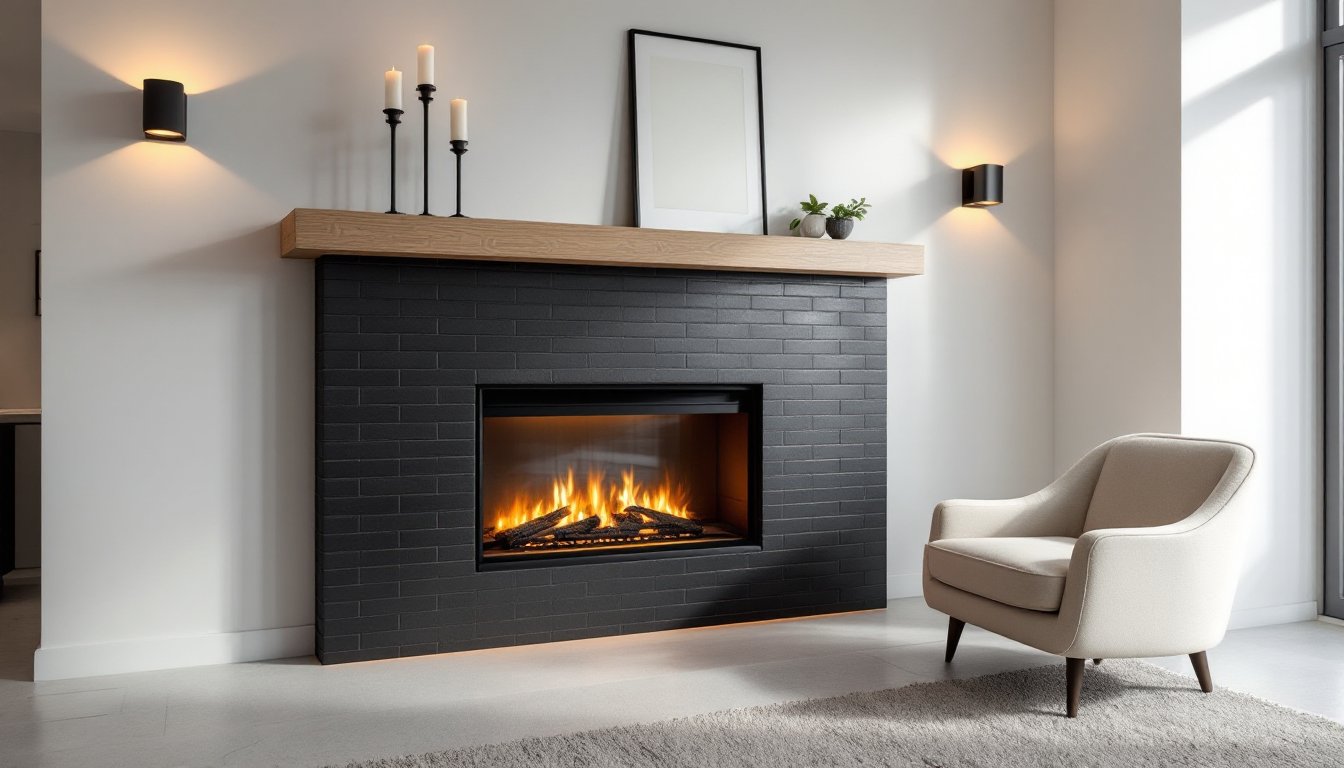
Minimalist black fireplaces strip away ornament. Picture a floor-to-ceiling black shiplap surround, a simple rectangular opening, and that’s it, no molding, no mantel shelf. Or consider a linear gas fireplace recessed into a black-painted accent wall with clean lines and no decorative frame. These designs rely on proportion and material texture rather than detail work.
A fireplace with a thin black metal frame (not ornate) feels contemporary. Pair it with concrete, light oak, or white walls, and the effect is refined. The black reads as structural rather than decorative. Many of these installs use black powder-coated steel surrounds or black-painted drywall over a fire-rated substrate.
Rustic and Traditional Black Fireplace Designs
Rustic black fireplaces often feature hand-laid stone, reclaimed brick, or rough-hewn wood surrounds. A cottage with a black stone fireplace and a deep wooden mantel feels grounded and welcoming. The black stone might be slate, granite, or rough fieldstone, materials with texture that warm up in lamplight.
Traditional designs sometimes include black cast-iron fireplace doors or a black-painted wood surround with classical molding profiles. These weren’t black by accident: older homes in Europe often used black-painted surrounds to hide soot and create visual definition. Recreating that look today feels historically informed, not trendy. Inspiration galleries on platforms like Houzz showcase dozens of variations, from farmhouse to cottage to Victorian.
Material Options for Black Fireplaces
Black tile is popular for good reason. Large-format black subway tiles, matte finish, resist grout staining and work in any style. Expect to pay $3–$8 per tile depending on quality: installation (if you hire it out) runs $10–$25 per square foot, but you can DIY if you have tile experience. Sealant is usually not needed for matte black glazed tile.
Black paint over existing brick or drywall is the budget route. Use high-heat, moisture-resistant black paint (brands like Rust-Oleum High Heat or Kreg do well). Prepare the surface by cleaning, priming with bonding primer, and applying two coats. Cost: under $100 for materials. The catch: paint can chip near the firebox opening from heat cycling, so prep with fire-rated primer first.
Black stone, slate, granite, or concrete, conveys permanence. Slate offers texture: polished granite offers sheen. Expect $15–$40 per square foot installed. Concrete, whether polished or sealed, costs $8–$15 per square foot and can be stained or finished with sealers for a custom look.
Black-painted or powder-coated steel and iron create an industrial feel. Steel surrounds can be ordered custom or fabricated locally. This works best in modern homes where the metal becomes a design feature, not an afterthought. Interior design trends increasingly feature these industrial-meets-cozy hybrids.
Styling Your Space Around a Black Fireplace
A black fireplace needs a supporting cast. Walls around it work best in white, light gray, or warm neutrals, not competing colors. A light wall makes the black fireplace pop without overwhelming the room.
Mantel styling is where personality lives. On a rustic black stone surround, pair the black with warm wood tones, cream textiles, and natural greenery for contrast. On a modern black tile fireplace, try metal accessories, glass, and minimal decor: perhaps one pair of matching candlesticks and a single art piece above.
Flooring choices matter. Black fireplaces pair well with light wood (oak, pine), light concrete, or light tile, the contrast is key. Avoid dark wood directly adjacent: it can feel heavy. Dark area rugs in front of the fireplace work if other room elements balance the darkness.
Lighting is essential. Recessed lights above the surround, wall sconces flanking the opening, or a well-placed floor lamp nearby ensures the black doesn’t disappear at night. The goal is to illuminate the black, not hide it. Home decor inspiration galleries demonstrate how light and material choice transform the same black fireplace across different rooms.
DIY Black Fireplace Projects for Budget-Conscious Homeowners
Painting an existing fireplace black is the most accessible DIY project. Start with a clean surface, sweep out ash, wipe with a damp cloth, and let dry fully. If brick is greasy or stained, use a degreaser. Mask off the firebox opening carefully with high-temperature painter’s tape and fire-rated board: you don’t want paint inside the firebox.
Apply bonding primer first (adhesion is critical on glossy or nonporous surfaces). Then apply two coats of high-heat black paint, waiting the recommended cure time between coats. Many DIYers find spray paint easier on textured brick, but brush application gives better control and is cheaper. Cost: around $50–$80 and a Saturday afternoon.
Tiling a fireplace surround is more involved but doable if you’ve tiled before. Remove old material, repair underlying drywall or substrate to be flat and level, and prime with a bonding primer. Lay out your black matte tiles dry first to plan cuts and grout lines. Use thin-set mortar rated for fireplaces and apply with a notched trowel appropriate to your tile size (usually 1/4″ × 3/8″ for smaller tiles). Press tiles firmly and space with tile spacers for consistent grout lines.
After 24 hours, grout with grout rated for heat and moisture. Let cure per instructions (typically 48–72 hours) before using the fireplace again. Safety note: wear dust mask, eye protection, and gloves when cutting tile: use a wet saw if possible to minimize dust. Mistakes happen, budget for 10–15% extra tile for cuts and breakage.
Before tackling structural changes (removing an old fireplace, altering a firebox, or adjusting venting), consult a licensed inspector or chimney sweep. Your local building code may require permits for fireplace work, especially if it affects fire safety or egress.