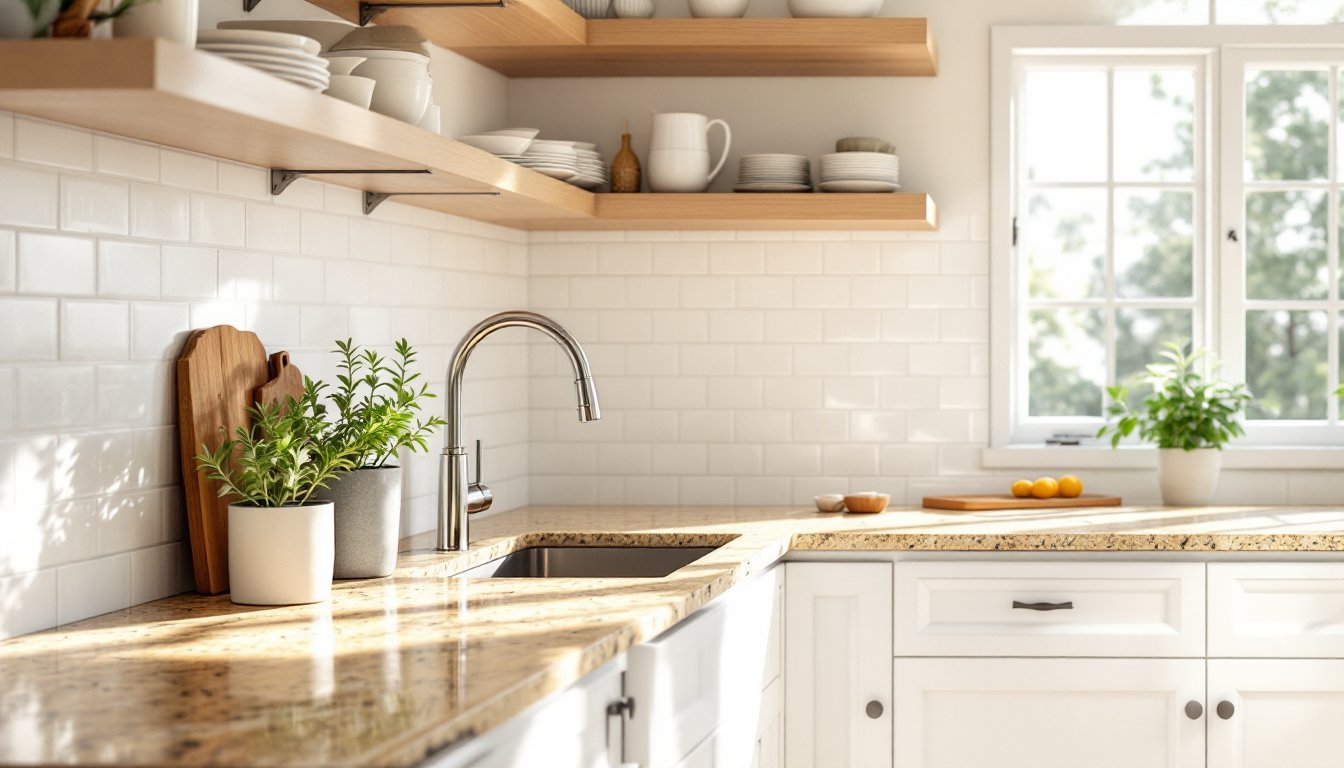

Home renovation ideas and techniques can turn an outdated house into a dream home. Whether someone wants to update a single room or overhaul an entire property, the right approach makes all the difference. Smart planning, creative solutions, and proper execution help homeowners achieve stunning results without very costly.
This guide covers practical strategies for planning renovations, budget-friendly updates for every room, essential DIY techniques, and guidance on when to call in professionals. Homeowners at any skill level will find actionable advice to start their next project with confidence.
Table of Contents
ToggleKey Takeaways
- Successful home renovation ideas start with clear goals, thorough planning, and realistic timelines that account for unexpected delays.
- Budget-friendly techniques like cabinet refacing, fixture updates, and reglazing can transform kitchens and bathrooms without major expense.
- Mastering essential DIY skills—surface prep, drywall patching, caulking, and basic tile work—empowers homeowners to tackle many renovation projects independently.
- Fresh paint and luxury vinyl plank flooring are cost-effective home renovation techniques that dramatically update living spaces.
- Always hire licensed professionals for structural changes, electrical panel work, plumbing modifications, HVAC, and gas line projects to ensure safety and code compliance.
- Research permits early in your renovation project to avoid fines or complications when selling your home later.
Planning Your Home Renovation Project
Every successful home renovation starts with solid planning. Rushing into demolition before mapping out the full scope of work leads to costly mistakes and frustrating delays.
First, homeowners should identify their primary goals. Are they renovating to increase property value, improve functionality, or simply refresh the aesthetic? Clear objectives guide every decision that follows.
Next comes the assessment phase. Walk through the space and note what works and what doesn’t. Take measurements. Photograph problem areas. This documentation proves invaluable when shopping for materials or explaining the project to contractors.
Creating a realistic timeline matters just as much as the budget. Most renovation projects take 20-30% longer than initially expected. Building buffer time into the schedule prevents stress when unexpected issues arise, and they will.
Permit requirements deserve attention early in the process. Structural changes, electrical work, and plumbing modifications typically require permits in most municipalities. Skipping this step can result in fines or complications when selling the home later.
Finally, homeowners should research home renovation ideas and techniques specific to their project type before purchasing a single material. Online tutorials, home improvement books, and local workshops provide valuable education that saves money and prevents amateur errors.
Budget-Friendly Renovation Ideas for Every Room
Transforming a home doesn’t require a massive budget. Strategic updates in key areas deliver impressive results at reasonable costs.
Kitchen and Bathroom Updates
Kitchens and bathrooms offer the highest return on investment for renovation dollars. Simple changes here create dramatic impact.
Cabinet refacing costs 50-70% less than full replacement. Homeowners can paint existing cabinets, swap out hardware, or add new doors to completely change the look. Peel-and-stick backsplash tiles provide a modern appearance without hiring a tile installer.
Updating fixtures makes bathrooms feel brand new. Replacing faucets, showerheads, and towel bars typically costs under $300 but delivers a fresh, updated feel. New lighting fixtures add both style and function.
Consider reglazing a worn bathtub instead of replacing it. This technique costs around $400 compared to $3,000+ for a new tub installation. The results last 10-15 years with proper care.
Living Spaces and Bedrooms
Living rooms and bedrooms respond well to cosmetic home renovation ideas and techniques that don’t require major construction.
Fresh paint remains the most cost-effective transformation available. A gallon of quality paint costs $30-50 and covers approximately 400 square feet. Accent walls add visual interest without painting entire rooms.
Flooring updates dramatically change a space’s character. Luxury vinyl plank flooring offers the look of hardwood at a fraction of the cost, typically $2-7 per square foot installed. Many products feature click-lock installation suitable for DIY projects.
Crown molding, chair rails, and baseboards add architectural detail to plain rooms. These trim pieces come in lightweight, paintable materials that even beginners can install with basic tools and construction adhesive.
Essential Renovation Techniques for DIY Success
Mastering a few fundamental techniques empowers homeowners to tackle many renovation projects independently.
Proper surface preparation determines the success of most finishing work. Sanding, cleaning, and priming create the foundation for paint and finishes that last. Skipping prep work is the most common DIY mistake, and the easiest to avoid.
Learning to patch drywall opens up countless renovation possibilities. Small holes require only spackle and a putty knife. Larger damage calls for mesh tape and joint compound applied in thin layers. Patience during drying time produces professional-looking results.
Caulking is another essential skill. A clean bead of caulk seals gaps around tubs, sinks, windows, and trim. The key is cutting the tube tip at a 45-degree angle and applying steady, even pressure while moving at a consistent speed.
Basic electrical work, like replacing outlets, switches, and light fixtures, falls within reach for careful DIYers. Always turn off power at the breaker and verify with a voltage tester before touching any wires. When in doubt, call an electrician.
Tile installation requires patience but follows straightforward principles. Proper layout planning, the right thinset application, and consistent spacer use produce results that rival professional work. Start with a small project like a backsplash before attempting bathroom floors.
These home renovation ideas and techniques build confidence. Each completed project teaches skills that apply to the next one.
When to Hire Professional Contractors
Some renovation projects demand professional expertise. Knowing when to call in help protects both safety and investment.
Structural modifications require licensed contractors. Removing walls, adding windows, or altering rooflines affects the home’s integrity. Engineers and experienced builders understand load-bearing requirements that DIYers may miss.
Electrical panel upgrades, new circuit installation, and any work involving the main service line belong to licensed electricians. Faulty electrical work causes fires and can void homeowner’s insurance.
Plumbing that involves moving supply lines, relocating drains, or connecting to municipal systems needs professional attention. A small leak behind a wall causes thousands in water damage.
HVAC installation and major repairs require specialized training and equipment. Improper refrigerant handling violates federal regulations and poses health risks.
Gas line work is never a DIY project. Only licensed professionals should install, modify, or repair gas appliances and connections.
Homeowners should also consider hiring professionals when time constraints exist, when permits require licensed contractors, or when the cost of fixing a DIY mistake would exceed professional rates. Getting three quotes from contractors helps ensure fair pricing and quality work.