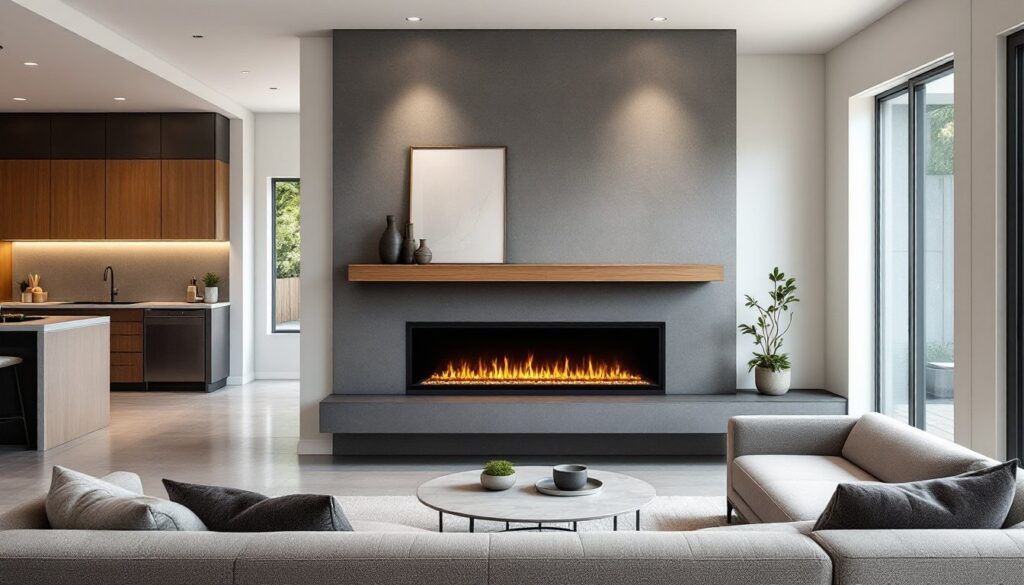
If you’re thinking about updating your fireplace, you’re in good company, contemporary fireplace designs have evolved dramatically in the last few years, offering far more than just a place to gather heat. Today’s options blend functionality with striking aesthetics, whether you’re working with a traditional masonry fireplace or starting fresh. From smart electric units to minimalist wall-mounted builds, modern fireplace ideas range from budget-friendly upgrades to full-scale renovations. The best part? Many of these updates don’t require a professional contractor or major structural work. This guide walks you through the hottest contemporary fireplace trends for 2026 and shows you practical ways to bring them into your home.
Table of Contents
ToggleKey Takeaways
- Contemporary fireplace ideas now blend smart technology and striking aesthetics, from LED-driven electric units to minimalist wall-mounted designs that work in apartments and open-concept homes alike.
- Electric fireplaces eliminate venting and chimney concerns while offering realistic flame effects and app-controlled features, making them a cost-effective alternative at $800–$2,500 for quality inserts.
- Linear and wall-mounted contemporary fireplace designs create dramatic focal points, stretch across wide surfaces (4–12 feet), and can be retrofitted into existing openings without major structural work.
- Modern fireplace surrounds emphasize raw, honest materials like stacked stone, concrete, and large-format tiles with minimalist aesthetics or bold jewel tones, priced from $8–$15 per square foot installed.
- Budget-friendly updates like painting, swapping hardware, and adding floating wooden mantels transform dated fireplaces for $300–$1,500, while full renovations with venting or structural changes typically require professional installation at $3,000–$10,000+.
Electric And Smart Fireplaces: The Future Of Home Heating
Electric fireplaces have shed their “fake flame” reputation and now rival wood-burning and gas units in both realism and functionality. Modern electric models use LED technology and realistic flame animation to mimic the look of a live fire without the heat loss or venting challenges of traditional fireplaces.
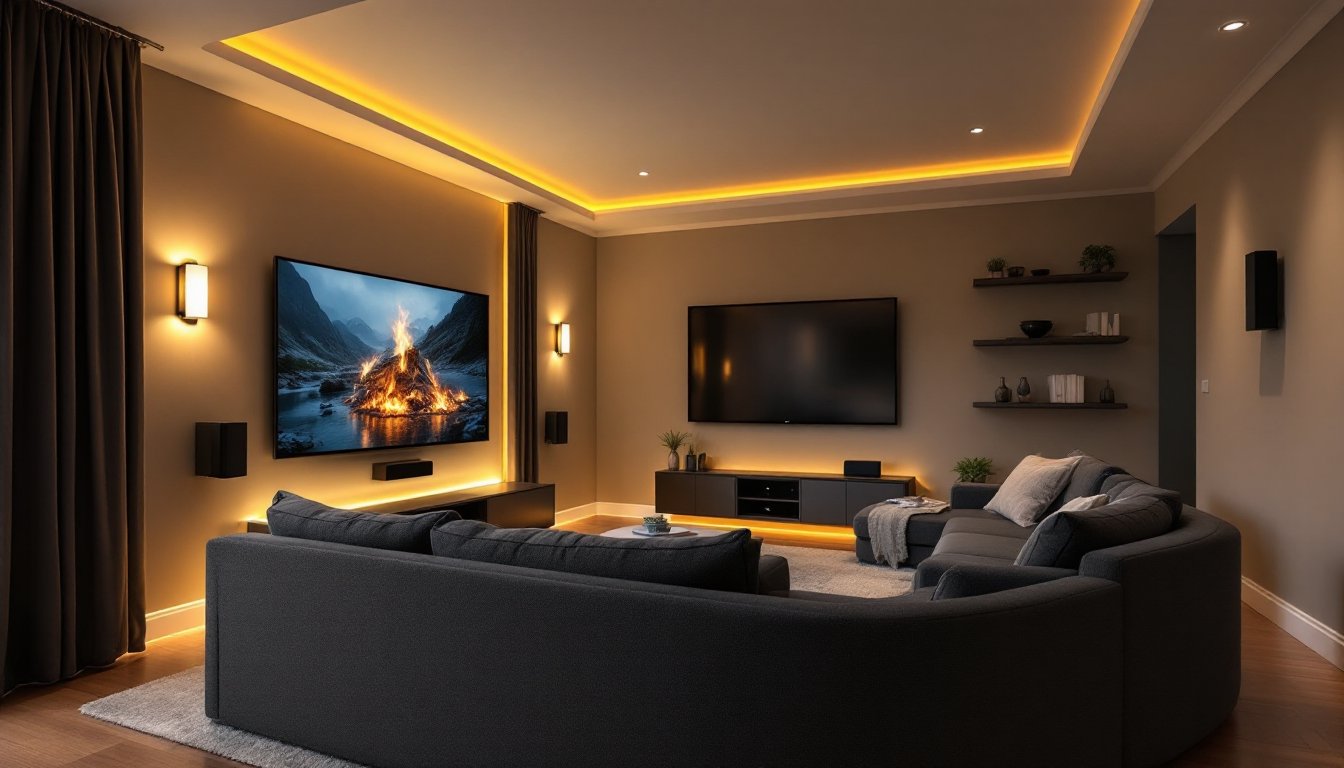
Smart electric fireplaces let you control heat output, flame intensity, and ambiance from your phone or voice assistant. Some units offer customizable flame colors, adjustable thermostat settings, and scheduling features, perfect for homeowners who want aesthetic appeal without the hassle of starting a fire or managing ash cleanup. Installation is straightforward: most plug into a standard outlet or hardwire into an existing fireplace cavity.
These units work especially well in apartments, condos, or homes where a wood-burning fireplace isn’t possible. They’re also highly efficient, no heat escapes up a chimney, and they don’t require permits or ventilation modifications. A quality electric fireplace insert typically runs $800–$2,500 depending on size and features. If you’re replacing a functional wood-burning unit with an electric one, factor in removal and disposal costs.
Sleek Linear And Wall-Mounted Designs
Linear fireplaces are one of the most striking contemporary fireplace trends right now. These long, horizontal units create a dramatic focal point and work brilliantly in open-concept homes where a traditional centered fireplace might feel awkward. Linear gas or electric fireplaces stretch 4 to 12 feet, distributing flame and heat across a wide surface.
Wall-mounted designs float the fireplace unit on the wall, eliminating a traditional hearth and surround. This approach opens up floor space and gives rooms a gallery-like feel. You can mount a unit at eye level, above a console table, or even spanning an entire accent wall.
Installation depends on the unit type. Direct-vent gas models need a small opening to the exterior for intake and exhaust, typically a 4-inch or 6-inch duct. Electric models need only a power source and a sturdy mounting surface. Retrofit linear units into existing fireplace openings if the opening is at least 30 inches wide. Wall mounting usually requires studs or a structural header to support the unit’s weight safely. Consider hiring an HVAC technician for gas venting or an electrician for hardwiring, this isn’t a casual DIY job. Expect $3,000–$7,000 installed, depending on venting complexity and material choices.
Natural Materials And Minimalist Aesthetics
Contemporary design often strips away ornament in favor of raw, honest materials. Stone, concrete, brick, and tile are making bold comebacks, but in clean, understated ways. A modern fireplace design showcase offers inspiration for combining texture with simplicity.
Consider a fireplace surround of stacked stone, large-format tiles, or honed concrete. These materials age gracefully and complement minimalist interiors. Avoid heavily patterned tile or ornate stone finishes, the goal is visual calm, not visual noise.
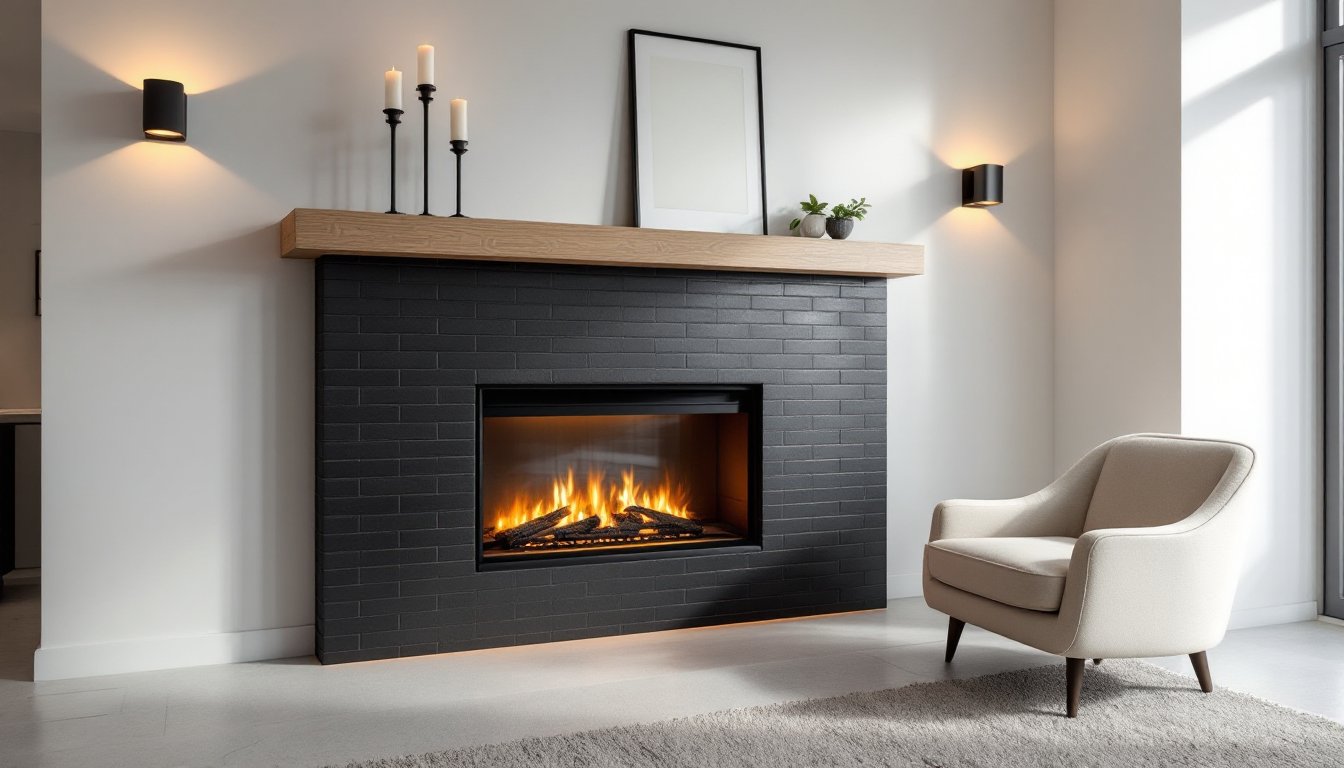
Natural wood mantels are in, but keep them floating (mounted directly to the wall without decorative brackets) and simple. Pair them with black metal hearth accents, white walls, and plenty of negative space. This approach costs less than you’d think: quality stone veneers run $8–$15 per square foot installed, while concrete overlay kits cost $500–$1,500 DIY. The real investment is careful planning and prep, rough fireplace masonry needs cleaning and bonding primer before any finish material sticks properly.
Statement Hearths: Bold Colors And Textured Finishes
If minimalism isn’t your style, go bold. Deep black, charcoal gray, forest green, and even jewel-tone tiles are trending as fireplace surrounds. High-gloss finishes reflect light and add drama, while matte or textured surfaces ground the space.
Bold color strategies: Paint the fireplace surround and breast with high-quality paint (semi-gloss or satin finish holds up better to heat and dust than flat). Use heat-resistant paint rated for 200°F or higher. Apply primer first, especially over previously stained or glossy surfaces. Two coats typically cover well: allow 48 hours between coats and full curing before burning a fire (if wood-burning).
Textured finishes, shiplap, brick tiles, fluted panels, or 3D wall treatments, add dimension without screaming for attention. These work especially well in rooms with neutral wall colors because they become the architectural feature. Installation is straightforward for most homeowners: adhesive-backed panels or tiles mount with construction adhesive and a level. Budget $1,200–$3,000 for materials and labor if hiring, or $400–$800 for a DIY refresh.
Open Concept Fireplaces For Connected Living Spaces
Modern homes blur the line between kitchen, dining, and living areas. A double-sided (see-through) fireplace or a peninsula unit can anchor an open floor plan and become a design centerpiece visible from multiple rooms.
Double-sided gas or electric units sit on a stand or peninsula, allowing you to enjoy the fire from the living room and kitchen simultaneously. They’re structural elements that divide space visually without walls, creating zone definition in an otherwise open layout. Peninsula fireplaces work similarly but sit against one wall, exposing three sides.
These units demand careful planning. Gas models need venting directly upward through the ceiling and roof, verify your roof structure can handle it and check local building codes. Electric units are more flexible but still need secure structural support. Interior design trends often showcase how fireplaces anchor open-concept homes. Installation nearly always requires a contractor or licensed installer ($4,000–$10,000+). If you’re building new or gutting a floor, plan the fireplace’s location during the framing stage, not after drywall goes up.
Budget-Friendly Updates To Modernize Your Existing Fireplace
You don’t need a $10,000 renovation to freshen a dated fireplace. Strategic cosmetic updates can deliver a contemporary look on a modest budget.
Quick wins: Paint the surround and breast with a modern color. Swap out dated hardware (andirons, fireplace tools) for sleek modern versions in matte black or brushed metal. Replace a worn hearth tile or brick with a single row of modern tile or stone. Add a simple floating wood mantel if you don’t have one, a 1×8 or 1×10 pine board mounted on heavy-duty brackets costs $150–$300 and transforms the whole look.
For tired brickwork, consider a home decorating guide for color and material inspiration before committing to a full surround replacement. You can also paint brick (use masonry primer and 100% acrylic latex paint rated for exterior or high-heat use). One gallon covers about 350 square feet: expect two coats. This DIY project costs $100–$200 in materials and takes a weekend.
If your fireplace has a wood mantel or surround, inspect it carefully for heat damage, cracks, or settling before adding new finish materials. Poor prep causes peeling paint and adhesive failure. Sand, prime, and seal properly, your future self will thank you. These updates cost $300–$1,500 total and genuinely modernize the space.
Conclusion
Contemporary fireplace ideas span from high-tech smart units to elegantly simple material choices. Whether you’re doing a major renovation or refreshing trim and color, the key is aligning your choice with how your home flows and how much heat and ambiance you actually need. Start by assessing your existing fireplace (if any), understanding your venting constraints, and checking local building codes. Most cosmetic updates are DIY-friendly: structural or venting changes warrant a professional. The investment pays dividends in both daily enjoyment and home resale value.