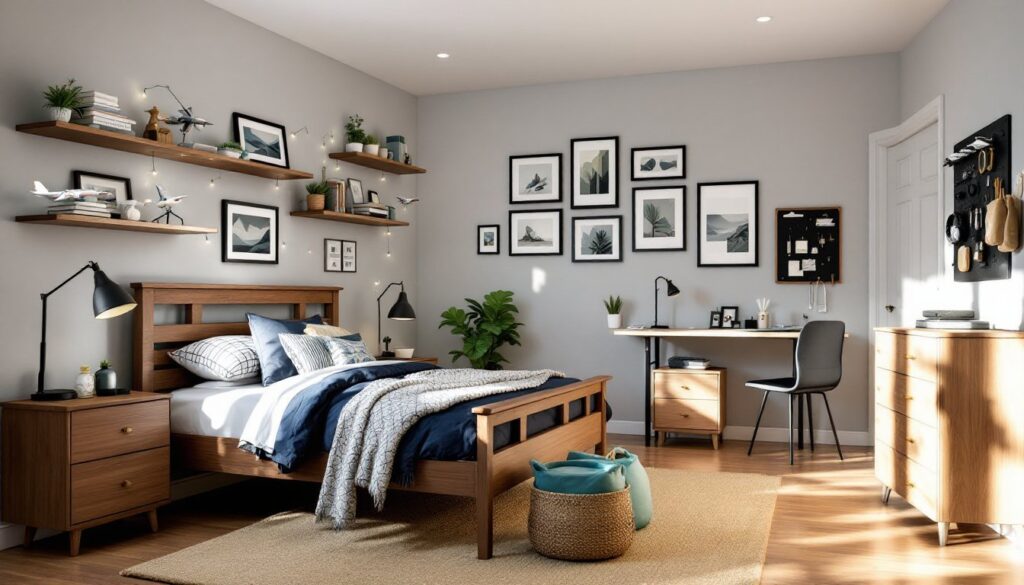
A boy’s bedroom isn’t just a place to sleep, it’s his personal retreat, study zone, and creative sanctuary. Whether you’re decorating a toddler’s first big-boy room or refreshing a teen’s space, the goal is the same: create a functional, age-appropriate environment that reflects his personality and grows with him. Boys bedroom decor doesn’t have to be complicated or expensive. With smart color choices, intelligent furniture placement, and thoughtful storage, you can transform any bedroom into a space that’s both practical and genuinely inviting. This guide walks you through the essentials, from color palettes to DIY updates you can tackle this weekend.
Table of Contents
ToggleKey Takeaways
- Choose neutral wall colors like soft gray or warm beige as your canvas, then add personality through accent colors via bedding and artwork that can evolve as your boy grows.
- Invest in durable furniture pieces like a sturdy bed, dedicated desk, and quality dresser to create a functional layout that won’t feel babyish and can adapt through his teen years.
- Implement smart storage solutions including labeled under-bed containers, open shelving for collections, and closet organization with dual-height rods to teach real-world organization habits and reduce clutter.
- Use layered lighting with desk lamps, bedside lights, and wall sconces to set the mood and create a warm, inviting atmosphere that goes beyond a harsh ceiling fixture.
- Limit themed bedroom elements to 20-30% of the room through accents and textiles while keeping 70% neutral, making it easy to refresh as his interests change without major renovations.
- Transform boys bedroom decor with budget-friendly weekend DIY projects like accent wall painting, floating shelves, gallery walls, and string lighting for under $50-100 per project.
Create a Color Palette That Grows With Your Boy
Color sets the tone for the entire room, and it’s the easiest element to refresh as your son grows. Skip the cliché nursery pastels and trendy character themes that’ll feel dated in two years. Instead, choose a neutral base with accent colors that can evolve.
Neutrals like soft gray, warm beige, or pale green work beautifully as wall colors because they’re calming and flexible. A light gray in a medium sheen (eggshell or satin) hides wear better than flat and pairs with nearly any accent. Paint these walls first, it’s your canvas.
Then add personality through accent colors via bedding, rugs, and artwork. Navy blue is timeless and works from age 5 to 25. Forest green feels mature without being gloomy. Charcoal pairs with almost anything and ages well. If you want something warmer, burnt orange or deep teal add energy without screaming “kid’s room.”
Specific paint colors matter too. Popular choices include paint color ideas for a boys’ bedroom from trusted design sources, which offer tested palettes that won’t look dated in a few years. Avoid pure primary colors (bright red, electric blue) unless you’re committed to repainting as he grows. One-gallon cans of quality paint (brands like Sherwin-Williams or Benjamin Moore) cover about 350 square feet in two coats, measure your walls and buy accordingly.
Furniture Essentials: Building a Functional and Stylish Layout
Good furniture is an investment that pays back through durability and flexibility. Start with the bed, it’s usually the room’s anchor. A twin bed works until age 12-14: a full bed suits teens and growing kids. Opt for a sturdy wooden or metal frame in a finish (dark wood, black metal, natural finish) that won’t feel babyish. Avoid novelty-shaped beds: they limit your decor options later.
Add a nightstand (preferably two if space allows) with a drawer for the chaos of growing up. A desk is non-negotiable by age 7, assignments, drawing, building projects all need a dedicated surface. Measure your space carefully: a 48-inch-wide desk fits most rooms and gives real working room without overwhelming the space. Wall-mounted desks save floor space in smaller bedrooms.
Dresser placement matters too. Put it where he can reach the top drawers independently, this teaches responsibility and keeps him from stacking stuff on the bed. If possible, position furniture to create a traffic flow from door to bed without weaving through obstacles.
Wood furniture in mid-tones (light oak, walnut, or weathered finishes) looks more grown-up than bright white or primary-colored pieces. Metal accents (a black desk lamp, steel shelving) add an industrial edge that appeals to kids without feeling juvenile.
Storage Solutions That Reduce Clutter and Teach Organization
Boys accumulate stuff fast: sports gear, action figures, books, building sets, dirty laundry. Smart storage prevents the room from becoming a disaster zone and teaches real-world organization habits.
Under-bed storage containers are essential. Clear plastic bins let him see what’s inside without opening each one. Label them, “Legos,” “Out-of-Season Sports,” “Art Supplies.” This sounds simple, but labeling is the difference between chaos and a system he’ll actually maintain.
Open shelving displays collections (models, figurines, books) and makes items visually appealing instead of hidden. Five to seven shelves in a 36-48 inch-wide unit gives plenty of room without making the space feel cramped. Wood shelving in dark finishes looks intentional, not temporary.
A closet rod at two heights, one at standard height for you to hang longer pieces, one at his eye level so he can reach his own clothes, removes excuses for floor piles. Add a low bin or basket inside the closet for shoes or sports equipment.
A wall-mounted pegboard over the desk holds headphones, small tools, and art supplies within arm’s reach. Paint it a contrasting color (matte black works everywhere) to make it a design feature, not an afterthought.
Bin labels and color-coding matter for stick-to-it organization. A boy who can’t read well? Use picture labels or color zones (blue bin = toys, green bin = clothes).
Wall Decor and Lighting: Setting the Mood and Personality
Walls are the fastest way to inject personality without breaking things apart. Skip posters taped to walls, they look temporary. Framed artwork (even IKEA frames are solid) feels intentional and lasts through teenage years.
Choose artwork with staying power: geometric prints, nature photography, inspirational quotes in clean fonts, or abstract pieces in your accent colors. A gallery wall of 4-6 frames in matching finishes (all black, all natural wood) feels curated, not random. Measure and lightly pencil marks before hanging, use a stud finder if the walls are drywall, and always use appropriate anchors if you’re not hitting studs. A 40-pound rated anchor holds most lightweight frames securely.
Lighting shapes mood more than people expect. A ceiling fixture provides base light, but it’s often too harsh and impersonal. Add a desk lamp with a warm LED bulb (2700K color temperature feels cozy, not clinical) for studying. A bedside lamp gives soft light for reading without overhead glare.
Wall sconces on either side of the bed look sophisticated and practical, no fumbling for a bedside lamp cord at night. If wiring feels daunting, plug-in sconces with USB charging ports exist and work fine. A string of warm LED lights along shelving adds ambiance without screaming “kids’ room.”
Interior design inspiration often includes layered lighting for good reason: each fixture serves a purpose, and the room feels warmer and more thoughtfully designed.
Themed Bedroom Ideas: From Minimalist to Adventure-Inspired
A theme works only if it’s flexible and grows with him. Avoid licensed character themes (superhero bedding, space posters) unless you’re prepared to overhaul the room every 3-4 years.
Minimalist Modern: White walls, natural wood furniture, navy or gray accents, simple geometric art, and clean lines. This style ages beautifully and gives him room to personalize with posters, trophies, or hobbies as he grows. It’s calming and works for studious kids or those easily overstimulated.
Adventure/Outdoor: Forest green walls, wooden furniture, vintage maps or nature photography, a globe or telescope. Layer in natural textures, a jute rug, linen bedding, without heavy gear. This theme appeals across ages and doesn’t feel babyish.
Urban/Industrial: Gray or charcoal walls, black metal shelving and desk, exposed-wood elements, Edison bulb lighting. Posters of city skylines or vintage sports keep it personal without being trendy.
Sports enthusiast: Neutral walls with team colors as accents, flags, a small pennant, one good poster, rather than wallpaper everywhere. A cork board for sports photos or awards keeps memories visible without overdoing it.
The secret is limiting theme elements to 20-30% of the room through accents, textiles, and art. The other 70% stays neutral, so redecorating is a paint job and new bedding, not a gut renovation.
Budget-Friendly Decor Updates You Can DIY This Weekend
You don’t need to drop thousands to get a room right. Smart swaps and weekend DIY projects refresh a space affordably.
Paint an accent wall: One gallon of quality paint and a morning’s work transforms the room. Pick the wall behind the bed or opposite the door. A roller frame ($10-15), roller cover ($5), paint tray, drop cloth, and painter’s tape are your tools. Prep is everything: fill holes with spackle, sand smooth, and tape edges cleanly. Two coats with drying time between = a polished look for under $50.
DIY floating shelves: Measure, mark studs with a stud finder, install brackets rated for at least 25 pounds per pair, and secure wooden boards. Stain or paint to match. A 36-inch shelf costs $30-60 in materials and takes an evening. The impact is huge, suddenly the room has visual interest and functional display space.
Refresh textiles: Swap bedding for something in your color palette. A quality duvet cover ($40-60) and new pillows transform the bed without replacing the mattress. Throw a patterned throw blanket over the foot of the bed for depth.
String up accent lighting: Warm LED string lights ($15-30) around shelving or along the headboard create ambiance instantly. Plug-in, no wiring required.
Create a gallery wall: Frame family photos, his artwork, or downloaded prints (free from design sites). Use picture-hanging hardware rated for your wall type. Mix frame styles or keep them uniform, both work. Total cost: $50-100 depending on frame count.
Install a pegboard: Cut to size, paint it, mount with appropriate fasteners, and add hooks. Costs under $40 and looks intentional. Interior design inspiration from trusted sources often features pegboards for this reason, they’re functional and customizable.
Conclusion
Designing a boys’ bedroom that works doesn’t require a designer or a large budget. Start with a timeless color palette, add functional furniture, solve storage smartly, and layer in lighting and artwork that grows with him. One-weekend projects like painting an accent wall or hanging floating shelves deliver immediate impact. The goal is a space that feels like his, organized, personal, and grounded enough to evolve as he does. Your son will notice the effort, and you’ll appreciate a room that’s easy to maintain and genuinely looks good.