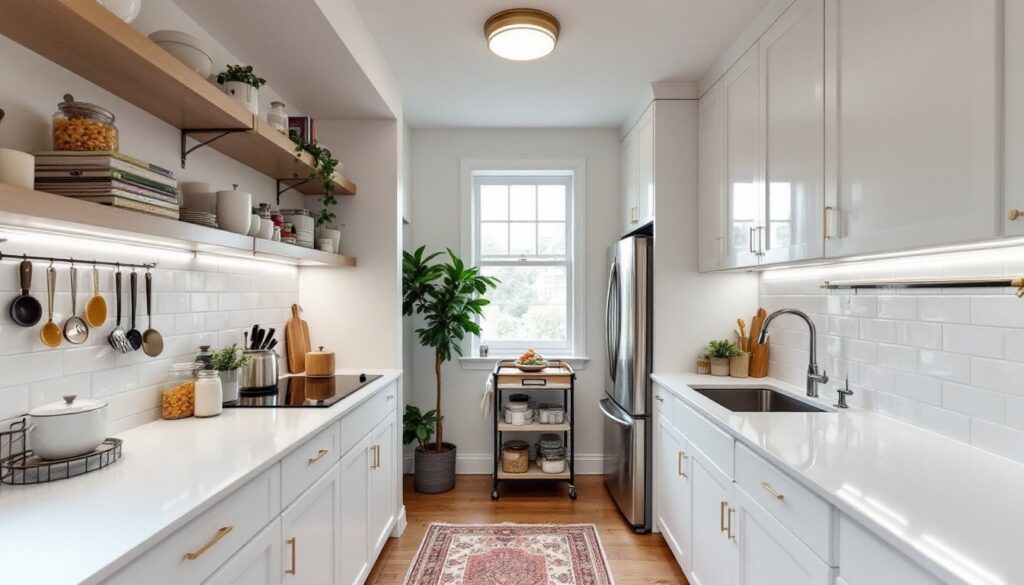
A small apartment kitchen doesn’t have to feel cramped or limit what you can cook. With the right approach to storage, furniture, and layout, even a galley kitchen or corner cooking space can become functional and inviting. Whether you’re renting and can’t knock down walls or you simply want to make better use of limited square footage, these seven practical strategies will help you work smarter, not harder. From vertical storage solutions to multi-functional appliances, you’ll discover how to maximize every inch while keeping the space organized and efficient. Let’s walk through the best ideas for transforming a small apartment kitchen into a space that actually works for you.
Table of Contents
ToggleKey Takeaways
- Small apartment kitchen ideas like vertical shelving, floating shelves, and pegboards maximize wall space and free up valuable drawer and cabinet storage.
- Multi-functional furniture and compact appliances—such as microwave convection combos, induction cooktops, and rolling carts—help small kitchens function efficiently without overcrowding.
- Strategic lighting with LED strip lights and neutral color choices (whites, creams, soft grays) make a small apartment kitchen feel larger and more inviting.
- An organized small apartment kitchen relies on labeled containers, drawer dividers, and designated zones to prevent chaos and reduce food waste.
- Budget-friendly upgrades like cabinet painting ($100–$200), peel-and-stick backsplash tiles ($30–$100), and removable flooring deliver real impact without major renovation costs.
- Starting with one or two practical changes—such as vertical storage and improved lighting—allows you to gradually transform your small kitchen as time and budget allow.
Vertical Storage: Using Wall Space Effectively
When floor space is at a premium, your walls become prime real estate. Most small apartment kitchens waste valuable vertical space that could hold cookware, spices, and pantry items.
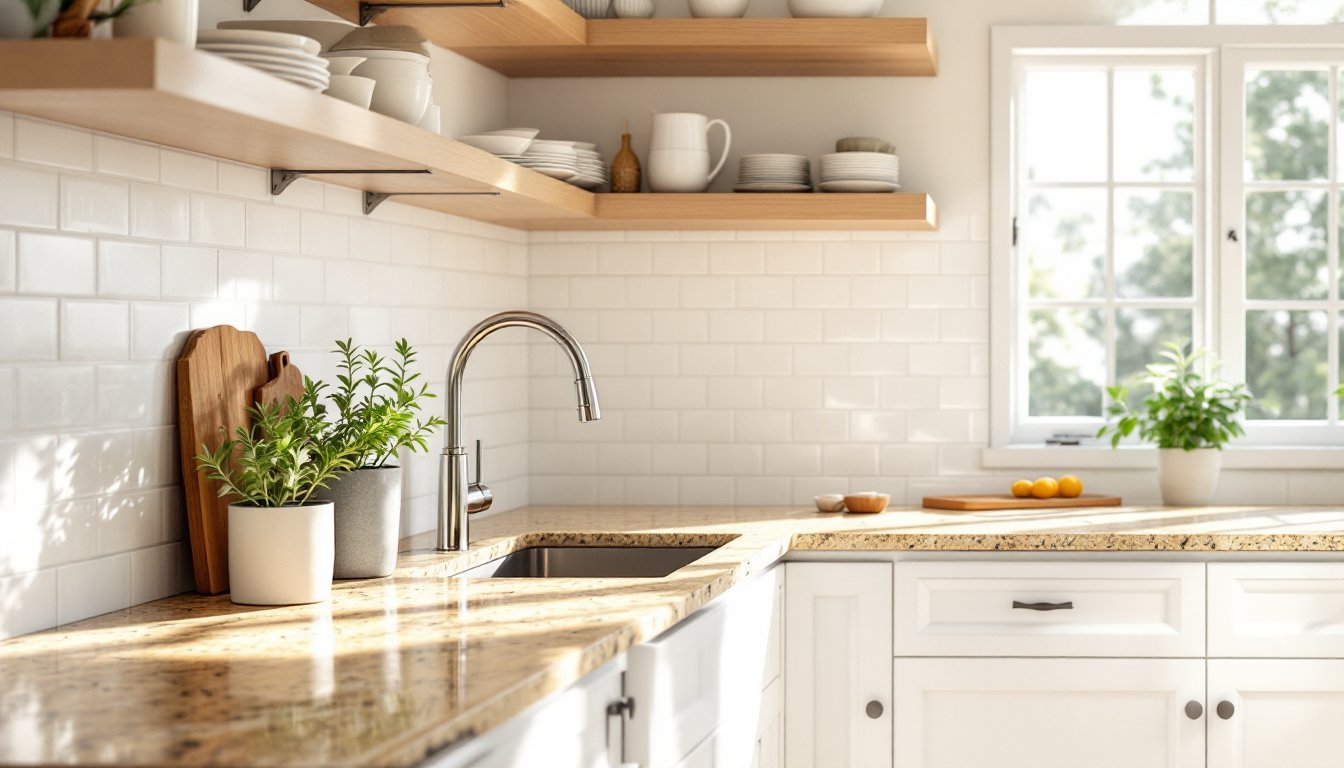
Start by assessing your wall layout. Identify studs using a stud finder so you can mount shelves securely. Floating shelves (typically 8–12 inches deep) work well for mugs, bowls, and cookbooks without visually overwhelming the space. Mount them at least 16 inches above the countertop so you can still work comfortably. Aim for 16–24 inches between shelves to keep items accessible.
Magnetic strips mounted on the wall hold metal knives and measuring spoons, freeing up drawer space. Pegboards are another smart choice, you can customize them with hooks, baskets, and shelves to suit your actual needs rather than a fixed layout. Paint the pegboard in a color that complements your kitchen so it becomes a design feature, not an afterthought.
Don’t overlook the inside of cabinet doors. Adhesive hooks, small wire baskets, or spice racks can hold frequently used items. This trick alone can reclaim surprising amounts of functional space in a small apartment kitchen renovation. The key is keeping items you actually use within arm’s reach: move seasonal equipment to higher shelves or out of the kitchen entirely.
Multi-Functional Furniture and Appliances
In a small space, every piece of furniture and appliance needs to earn its spot. Choose compact, countertop appliances with dual purposes when possible. A microwave convection oven combo heats, toasts, and bakes in one footprint. A slow cooker or Instant Pot replaces multiple pans and freqently handles breakfast, lunch, and dinner tasks.
Look for slim refrigerators (typically 28–30 inches wide instead of the standard 36 inches). They hold less, but if you shop more frequently, you eat fresher food and avoid waste. Counter-depth models also create a cleaner visual line in tight quarters.
For cooking, a two-burner or single-burner induction cooktop takes up minimal space and heats more efficiently than traditional electric or gas. Induction requires magnetic cookware, but that’s standard stainless steel, not a barrier. A compact oven toaster combo or small conventional oven lets you bake without running a full-size unit.
Kitchen Islands and Compact Dining Solutions
A proper kitchen island won’t fit most small apartment kitchens, but a rolling cart or slim drop-leaf table provides mobile workspace. Position it where you prep and pull it away when you need to move through the kitchen. Drop-leaf tables fold flat against the wall when not in use, a 36-inch-wide table expands to comfortable dining and collapses to just 12 inches deep.
Alternatively, wall-mounted fold-down tables create a dining or prep surface that disappears when closed. These require wall-mounted hinges and sturdy bracing: anchor them to wall studs to handle weight safely. A fold-down table measuring 30 x 18 inches provides enough room for two place settings or a cutting board and mixing bowls.
Smart Lighting and Color Choices
Lighting makes or breaks a small space. Poor lighting makes a kitchen feel cramped and gloomy: good lighting opens it up mentally and functionally. Layer your lighting: use under-cabinet strip lights for task work, a bright overhead fixture for general visibility, and accent lighting (like a small pendant) to add personality.
LED strip lights mounted under upper cabinets illuminate the countertop without casting shadows on your work surface. They’re affordable, low-heat, and run for decades. Install them toward the front edge of the cabinet so light falls directly where you’re chopping and cooking.
For overhead lighting, skip traditional recessed cans in a small kitchen, they create dark spots. Instead, use a semi-flush ceiling fixture or flush-mount light centered in the room. A 60–100 watt equivalent LED bulb provides bright, daylight-temperature light (4000–5000K) that makes the space feel open.
Color matters just as much. Light, neutral tones (whites, creams, soft grays) reflect light and make walls recede visually. If you rent and can’t paint, use removable wallpaper or even a single accent wall to define the space. Avoid heavy, dark cabinets if possible: if your cabinets are dark, brighten the walls and add good lighting to compensate. Some homeowners painting apartment kitchen renovation projects use high-gloss or semi-gloss finishes on lower cabinetry to reflect light upward.
Organization Systems for Maximum Efficiency
A small kitchen’s success depends entirely on organization. Every item must have a designated spot, or chaos spreads fast in tight quarters.
Use drawer dividers to keep utensils, measuring spoons, and small tools from becoming a jumbled mess. Label shelves and containers so everyone knows where things belong. Clear containers let you see contents without opening them, saving time and preventing duplicate purchases.
The pantry rule is simple: group like items (pasta with pasta, canned beans with canned vegetables, spices together). A lazy Susan or turntable in a deep cabinet or corner makes items in the back actually accessible without digging. Stackable bins maximize vertical space inside cabinets.
For the refrigerator, use clear bins for produce and leftovers. Designate zones: condiments on the door, vegetables in the crisper drawer, proteins on the second shelf. This prevents food waste and makes meal planning faster. A magnetic notepad on the fridge tracks what you need to buy.
In the freezer, use flat containers instead of tall stacks. Label everything with the date: most home-cooked items keep 2–3 months. A simple system prevents food from becoming mystery packages that never get used. Interior links like Home Renovation Ideas to Transform Your Living Space can offer broader strategies for organizing spaces.
Budget-Friendly Upgrades to Transform Your Space
You don’t need a full renovation to improve a small apartment kitchen. Strategic, affordable upgrades deliver real impact.
Cabinet refresh: Paint existing cabinets instead of replacing them. Use cabinet-grade primer and satin or semi-gloss paint rated for kitchens (like Sherwin-Williams ProClassic or Benjamin Moore Advance). One gallon covers roughly 400 square feet, enough for most apartment kitchens. Budget $100–$200 plus your time. New hardware (pulls and knobs) costs $20–$60 for a complete kitchen and transforms the look instantly.
Backsplash: Peel-and-stick tiles or removable wallpaper cost $30–$100 and add visual interest without permanent changes. If you own the space, a real tile backsplash (subway tile, 3×6 inches, with standard grout) runs $5–$15 per square foot material and $10–$20 per square foot for professional installation. DIY tile work requires a wet saw (rent for $15–$30 per day), a level, spacers, and patience for grout curing.
Countertop upgrades: Removable countertop coverings exist, but a real upgrade, whether laminate, butcher block, or a concrete overlay, requires more investment. Laminate costs $10–$30 per square foot installed. Butcher block adds warmth but needs sealing and maintenance. Concrete overlays run $20–$50 per square foot and require a skilled finisher.
Flooring: If renting, a washable rug or peel-and-stick vinyl planks ($20–$60 per box) add warmth without permanent damage. Actual flooring replacement (vinyl, tile, or wood laminate) costs $2–$10 per square foot installed, depending on material and labor. Resources like Apartment Therapy showcase budget apartment makeovers with real costs and before/afters.
Conclusion
A small apartment kitchen is manageable, and even enjoyable, when you focus on vertical storage, multi-functional pieces, and smart organization. You don’t need expensive renovations or major structural changes to cook efficiently and comfortably. Start with one or two changes (perhaps vertical shelves and better lighting), see how they feel, then add more as your budget and time allow. With thoughtful planning and practical solutions, your tiny kitchen becomes a functional, attractive space that works as hard as you do.