
A dedicated coffee station transforms your kitchen from a utilitarian space into a hub for your morning ritual. Whether you’re a single-cup brewer or a full espresso enthusiast, a well-designed countertop coffee station brings convenience, style, and organization to your daily routine. The beauty of a coffee station lies in its flexibility, you can scale it to match your space, budget, and brewing preferences. This guide walks you through seven practical approaches to building a coffee station that works for your kitchen, from compact single-machine setups to full-featured espresso bars. We’ll cover organization tricks, design aesthetics, and the materials and dimensions you need to get started.
Table of Contents
ToggleKey Takeaways
- Countertop coffee station ideas range from compact single-machine setups requiring just 12–18 inches of space to full espresso bars that need 30–48 inches, making it easy to match your kitchen size and budget.
- A quality burr grinder is essential to any coffee station since pre-ground coffee stales within days, and hand grinders save space and eliminate electrical clutter.
- Vertical storage—using floating shelves, pegboards, or rolling carts—keeps your station organized and functional without consuming valuable countertop real estate.
- Minimalist coffee nook designs prioritize visual calm by keeping only the active brewing machine and one mug on the counter, while storing backup supplies in closed cabinets.
- Rustic and farmhouse coffee station designs embrace reclaimed wood, cast-iron equipment, and ceramic accessories to create an inviting, lived-in aesthetic that costs $200–$500 to build.
- Most coffee stations can be assembled in a weekend starting with a quality grinder and your preferred brewing method, then refined over time as you discover what you actually use.
Compact Single-Machine Coffee Stations
If your kitchen counter space is tight, a single-machine station delivers brewing capability without clutter. A standard drip coffee maker, single-serve pod brewer, or compact espresso machine occupies roughly 12 to 18 inches of linear countertop. The footprint stays manageable because you’re prioritizing one brewing method.
Start by choosing your anchor appliance. A Moka pot (the stovetop aluminum brewer) takes up minimal space and requires no electricity. A single-serve pod machine offers speed and simplicity but generates pod waste. A compact burr grinder sits beside the brewer, critical, because pre-ground coffee stales within days. Budget about 6 to 8 inches for a quality hand grinder if you want to eliminate noise and electrical clutter.
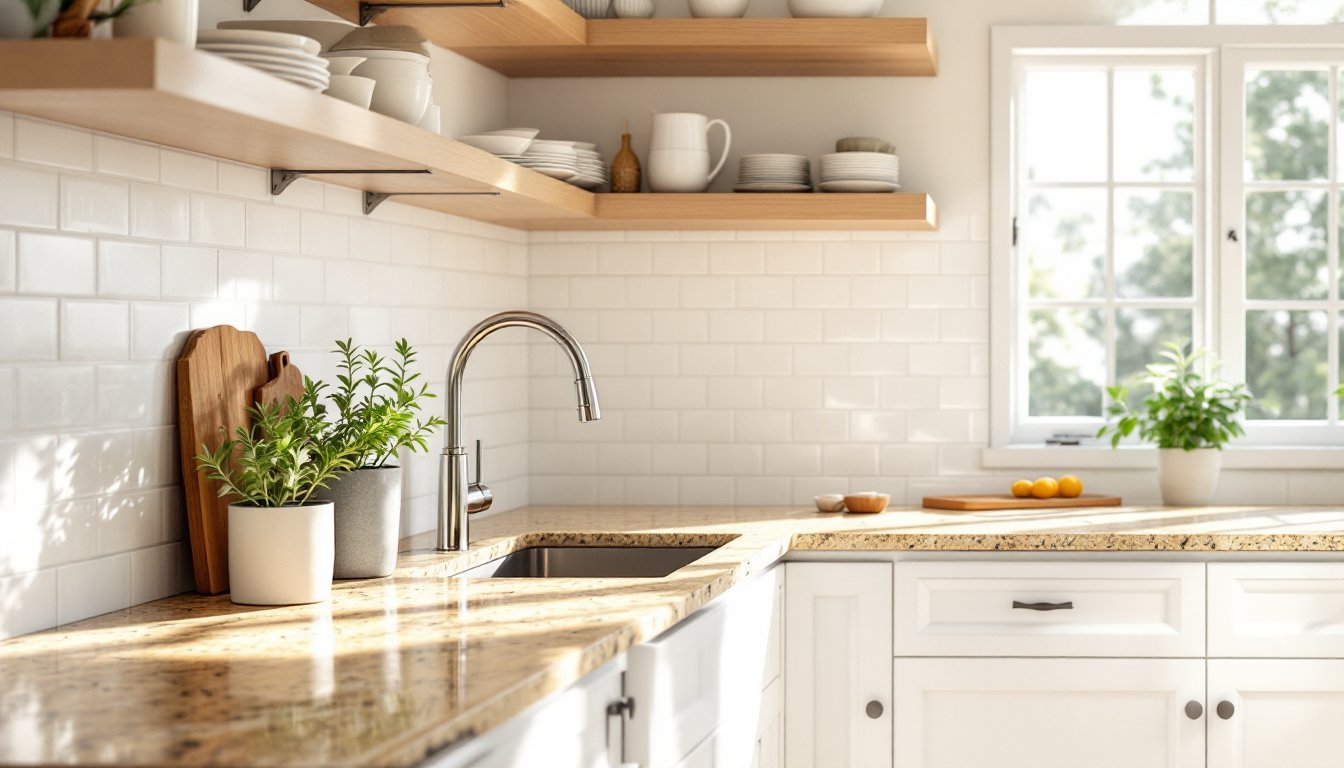
Next, add a small ceramic or glass carafe (8 to 12 ounces) for serving, a measuring spoon, and a sealed glass canister for whole beans (a 1-pound capacity is sufficient for a week’s worth). Stack these vertically or use a thin floating shelf mounted 18 to 24 inches above the counter to keep the footprint lean. Keep a microfiber cloth nearby for quick cleanup and wipe-down. A single-machine station is ideal for renters, small kitchens, or anyone who appreciates simplicity, and it costs between $150 and $400 to set up properly.
Multi-Machine Espresso Bar Setups
An espresso bar is the dream for serious coffee enthusiasts. You’ll need 30 to 48 inches of countertop to house multiple machines without crowding. The core equipment includes an espresso machine (the largest piece, typically 8 to 12 inches deep and 12 to 18 inches wide), a grinder with espresso-sized burrs, and a steam wand or milk frother for cappuccinos and lattes.
Layout matters. Position the espresso machine at the back of your station, leaving 8 to 12 inches of clearance behind it for steam release and plumbing access. Place the grinder to the machine’s left (within arm’s reach of the portafilter). Keep a knock box (a small receptacle for spent grounds, roughly 4 by 4 inches) directly in front of the machine’s group head. Add a small metal pitcher (12 ounces) for steaming milk and a tamper and tamper mat to keep espresso prep organized.
Include glass canisters for espresso beans and milk frother cleaner, a digital scale for precision dosing (espresso requires exact gram measurements), and clean towels. Most multi-machine setups run $800 to $2,500 depending on machine quality. The Houzz article on coffee station ideas showcases several professional-style countertop setups that inspire without requiring commercial equipment.
DIY Coffee Station Organization Systems
Organization separates a coffee station from a cluttered counter. The key is using vertical space, grouping items by function, and keeping daily-use gear within arm’s reach while storing seasonal or occasional items out of sight.
Storage Solutions and Shelving
A 3-tier open shelving unit (36 to 48 inches wide, 12 inches deep) works beautifully for coffee stations. Install it 18 to 24 inches above your working counter using lag bolts into wall studs, each stud is typically spaced 16 inches apart in modern framing. Check for studs with a stud finder before mounting. Each shelf holds roughly 30 to 40 pounds if properly secured: that’s plenty for coffee equipment. The bottom shelf houses the coffee maker and grinder: the middle tier holds glass canisters, coffee mugs, and backup supplies: the top shelf stores occasional items like a French press or alternative brewing method.
Alternatively, a wall-mounted pegboard (24 by 36 inches) accommodates hooks for mugs, small shelves for canisters, and clips for measuring tools. Pegboard requires minimum two mounting points into studs and distributes weight evenly. A pegboard setup costs $40 to $80 and is fully customizable.
For zero-wall-mounting options, a tall, narrow rolling cart (12 to 18 inches wide, 24 to 36 inches tall) slides into corners or between appliances. Each shelf holds approximately 15 to 20 pounds without tipping. The cart provides mobility if you rearrange your kitchen layout. Keep daily essentials on the middle tier and less-used items (backup beans, specialty filters) on lower or upper tiers. Resources like The Kitchn’s kitchen organization tips offer practical storage hacks that apply directly to coffee station design.
Modern Minimalist Coffee Nooks
Minimalist design prioritizes function and visual calm. A modern coffee nook uses neutral colors (white, gray, matte black), clean lines, and negative space. The countertop itself should remain mostly clear, only the active brewing machine and a single mug sit on the counter surface.
Choose a sleek, compact espresso machine or grinder in matte black or stainless steel, avoiding chrome or bright finishes that visually busy the space. Mount a floating shelf (20 to 24 inches wide, 8 to 10 inches deep) in matte black or natural wood directly above the machine, recessed 16 to 18 inches from the countertop. This shelf holds two to three matching glass canisters and a single ceramic or concrete utility vessel for spoons and stirrers. A wall-mounted outlet (installed by a licensed electrician, per electrical code) eliminates visible cords.
Keep all non-essential items, backup beans, cleaning supplies, alternative brewers, in a sleek, closed storage cabinet or drawer immediately adjacent to the nook. The minimalist approach demands that every visible object earn its place through regular use or aesthetic contribution. Budget $300 to $600 for a minimalist setup, focusing quality on the brewing machine rather than decorative accessories. The Remodelista article on sleek coffee stations highlights five sophisticated examples of restraint and refinement in coffee station design.
Rustic and Farmhouse Coffee Station Designs
Farmhouse style embraces warmth, weathered materials, and vintage or antique accents. A rustic coffee station uses wood shelving (reclaimed or solid pine), wrought iron brackets, and ceramic or stoneware accessories. The overall feel is inviting and lived-in, not sterile.
Start with a reclaimed wood floating shelf (rough-hewn pine or barn wood, 2 to 3 inches thick, 24 to 36 inches long) mounted with heavy-duty iron brackets rated for at least 50 pounds each (use at least two per shelf, installed into wall studs). The rough finish and visible grain celebrate the material’s history. Pair this with a cast-iron or enamel coffee maker, think Moka pots, vintage percolators, or a french press with a cream enamel handle. Add ceramic canisters with hand-painted labels for coffee beans, sugar, and filters. Include a small wooden tray (8 by 12 inches) to corral mugs or hold a traditional pour-over dripper.
Consider a wine crate or wooden basket (repositioned horizontally) for storing extra coffee bags or brewing cloths. Hang cast-iron or wrought-iron hooks above the shelf for mugs, space them 4 inches apart to avoid overcrowding. The rustic palette uses cream, butter, charcoal, and natural wood tones. A farmhouse coffee station costs $200 to $500 depending on whether you source salvaged wood locally or purchase new materials. The beauty lies in imperfection and the sense that your station has evolved over time.
Conclusion
Building a countertop coffee station is a practical investment in your daily routine. Whether you choose a minimal single-machine setup, a fully equipped espresso bar, a modernist nook, or a rustic corner, the key is matching the design to your space, skill level, and brewing preference. Start with a quality grinder and your preferred brewing method, then layer in organization and style. Most stations can be assembled in a weekend and refined over time as you discover what you actually use versus what collects dust.