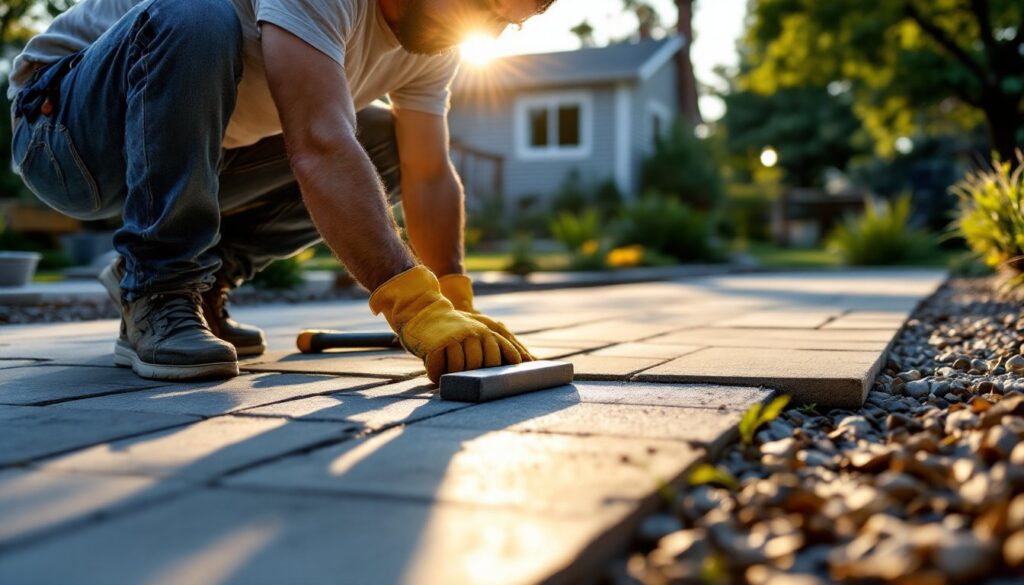
A backyard patio doesn’t have to drain your wallet to look polished and inviting. Whether you’re working with a modest budget or just prefer not to overspend, there are plenty of affordable patio floor options that deliver real style without the premium price tag. From concrete overlays to recycled materials, these cheap patio floor ideas range from straightforward DIY projects to semi-professional installs you can tackle with basic tools and patience. The key is choosing the right material for your climate, traffic level, and aesthetic goals, then executing it well. Skip the fluff, and let’s explore seven proven strategies to build a patio floor that looks like you spent thousands.
Table of Contents
ToggleKey Takeaways
- Concrete pavers and stamped concrete offer affordable patio floor solutions that cost $3–$8 per paver or $1–$3 per square foot, allowing DIY installation without professional labor costs.
- Gravel and crushed stone are the cheapest patio floor materials at $0.50–$1.50 per square foot, but require annual maintenance and proper edging to prevent spreading into planting beds.
- Permeable pavers made from recycled plastic or concrete cost $3–$6 each, last 20+ years, and reduce stormwater runoff while supporting environmental sustainability goals.
- Painting or staining an existing concrete slab costs only $1–$3 per square foot and transforms weathered pads into polished surfaces without removing or replacing the original material.
- Wood deck alternatives using pressure-treated lumber run $2–$4 per square foot for straightforward construction, but require proper drainage, spacing, and regular maintenance in damp climates.
- Mulch and composite flooring solutions offer temporary or mid-range options at $0.30–$3 per square foot, with recycled composites lasting 8–10 years compared to annual mulch refreshing.
Concrete Pavers and Stamped Concrete
Concrete pavers are one of the most practical cheap patio floor solutions because they’re modular, durable, and relatively easy to install. Standard 16×16-inch pavers cost between $3–$8 each depending on the finish and region, and you can lay them yourself over a compacted gravel base. No special equipment needed beyond a level, rubber mallet, and a wheelbarrow.
If you want more visual interest without pouring a new slab, stamped concrete lets you add texture or pattern to an existing concrete pad. You’ll apply a bonding agent, pour overlay concrete (typically ½–¾ inches thick), and stamp it before it sets. The stamped finish mimics flagstone, wood, or tile at a fraction of the cost. Rental stamp sets run $20–$50 for a day, and overlay concrete covers roughly 40 square feet per 80-pound bag.
Both methods handle freeze-thaw cycles decently if you’re in a colder climate, though you’ll want concrete sealer reapplied every 2–3 years. Pavers are easier to repair individually if one cracks: stamped concrete is more monolithic but looks seamless. The labor-to-result ratio here is excellent, you save thousands by skipping professional installation yet still get a finished, manicured look.
Gravel and Crushed Stone Options
Gravel is the budget champion: a 4-inch base of crushed limestone or granite crush typically costs $0.50–$1.50 per square foot, making it the cheapest patio floor material available. It’s permeable (good for drainage), easy to refresh, and requires minimal tools beyond a level and a rake.
Layering matters. Compact the soil first, then add 6 inches of larger crushed stone (¾-inch minus), then top with 2–3 inches of finer crushed stone or pea gravel for a finished appearance. Without that base layer, your patio becomes a muddy mess within a season. Edging, either steel landscape borders, wood, or pavers around the perimeter, keeps gravel contained and prevents migration into planting beds.
The downside: gravel requires regular raking and re-topping (annually, depending on foot traffic and weather). It’s not ideal if you have mobility issues or plan to move heavy furniture frequently. Snow removal can scatter material. But for a temporary patio or a budget-conscious first-timer, gravel buys you time and flexibility. You can upgrade to pavers or poured concrete later without removing much gravel, just level and build on top.
Wood Deck Alternatives and Reclaimed Materials
Untreated wood is cheap but won’t last: pressure-treated lumber rated for ground contact (marked with UC3B or UC4 certification) is the DIY standard. You can build simple deck boards or crib-style flooring by running pressure-treated joists (typically 2×6 or 2×8 nominal lumber) across concrete blocks or a gravel base, then fastening deck boards on top. Material cost runs $2–$4 per square foot for basic treated softwood.
Reclaimed or salvaged wood, barns, old warehouses, adds character at variable pricing. It may require planing and treatment before installation. Composite deck boards (wood fiber and plastic) cost more upfront ($6–$12 per square foot) but resist rot and weather better than pressure-treated wood, reducing long-term maintenance.
Wood and composite need proper drainage and air circulation underneath to prevent rot. Space boards ¼-¼ inch apart and ensure water drains away from the structure. In damp climates, expect to reseal or restain every 2–3 years. Wood also requires fastening with corrosion-resistant screws or stainless fasteners, never regular nails. The payoff: warm underfoot, natural aesthetics, and straightforward construction if you’re comfortable with basic framing. Just accept ongoing upkeep as part of the deal.
Mulch and Composite Flooring Solutions
Garden-grade mulch or shredded bark offers the cheapest temporary flooring ($0.30–$0.50 per square foot) and works well for casual sitting areas, shade structures, or fire pits. It’s forgiving underfoot, drains well, and looks earthy and intentional if you choose a clean product like hardwood mulch or cedar chips.
The catch: mulch decomposes and needs refreshing annually. It harbors insects and can blow or wash away. But, it’s perfect if you’re testing a patio layout before committing to permanent materials, you’ll learn foot traffic patterns, sun exposure, and spatial needs before investing in pavers or concrete.
Recycled rubber mulch and composite products bridge the gap. They cost $1–$3 per square foot, last 8–10 years, and don’t decompose. Some recycled options are made from tire rubber (inexpensive but emit a smell in heat) or post-consumer plastic-wood blends (better looking and more durable). Composite alternatives offer longevity closer to concrete or pavers without the full cost. Edge with timber or metal borders to contain the material and define the space clearly.
Permeable Pavers and Recycled Materials
Permeable pavers, usually made from recycled plastic, concrete, or open-grid designs, let water drain through the patio rather than pooling on top. They’re especially valuable if you’re in a region with stormwater regulations or heavy rainfall. Recycled plastic pavers cost around $3–$6 each and last 20+ years without rot or splitting.
Concrete permeable pavers (with open cells or gaps filled with stone) run similar prices. Both install the same way as traditional pavers: level base, gravel substrate, sand leveling bed, and mallet placement. The environmental plus is real, you’re reducing runoff and often using reclaimed or recycled content.
For a truly budget-conscious approach, some DIYers lay down recycled asphalt or recycled concrete chunks (broken concrete from demolition sites) as a base layer, then top with clean stone. This works best in dry climates and informal settings. You’ll get a rustic, hardscaped look for under $1 per square foot. It’s not polished, but it’s honest and functional. Talk to local demolition or paving contractors, they often have free or cheap reclaimed material available.
Painted and Stained Concrete Finishes
If you already have a concrete slab, painting or staining it is one of the cheapest refresh options. Concrete stain ($15–$25 per gallon, covers 200–400 square feet) seeps into the concrete pores and won’t peel like paint. Acid stains create natural, variegated looks: water-based stains offer more control and less odor. Epoxy paint ($30–$50 per gallon) is tougher and resists wear better, though it can be slippery when wet.
Prep is critical: power wash the concrete thoroughly, remove any algae or mold with a degreaser, repair small cracks with concrete filler, and let everything dry completely (usually 48 hours). Moisture underneath is the enemy, a concrete sealant test won’t hurt. Apply stain or paint per manufacturer instructions (usually 2 coats), and seal with a polyurethane or acrylic sealer once dry.
The result costs $1–$3 per square foot in materials and transforms a plain, weathered pad into a sophisticated accent surface. Stained concrete mimics stone and ages gracefully: painted finishes let you add custom colors or even stenciled designs. Maintenance is minimal, resealing every 3–5 years keeps it looking fresh. For renters or temporary owners, this is the fastest, least invasive upgrade. Sunset Magazine has documented practical quick patio upgrades including resurfacing concrete as projects that yield high visual impact with modest investment.
Conclusion
Affordable patio floors don’t mean sacrificing style or durability. The best choice depends on your climate, traffic patterns, and how long you plan to stay put. Gravel works fast for testing: pavers or stamped concrete deliver permanence and polish: wood offers warmth: and painted concrete maximizes an existing slab. Layer proper base preparation with one of these materials, add edging for definition, and you’ll have a finished outdoor room that makes a real difference in how you use your backyard.